Hatsune Miku's Journey from Niche Vocaloid to Fortnite Headliner
Hatsune Miku's evolution from a Japanese pop culture icon to a global digital phenomenon is captivating, highlighted by her rise in gaming and meme culture.
Hatsune Miku's evolution is a fascinating chronicle of digital culture. Since her creation in 2007, the virtual pop star has grown from a Japanese phenomenon into a global icon, her journey marked by catchy synthetic tunes and an instantly recognizable turquoise-haired design that once dominated anime convention halls. For years, her presence in the video game world, particularly through Sega and Crypton's Project Diva rhythm games, felt like a well-kept secret for overseas fans. Access often required importing hardware or physical copies, creating a niche, almost exclusive community of enthusiasts who discovered her through handheld consoles like the PSP, far from the mainstream gaming spotlight.
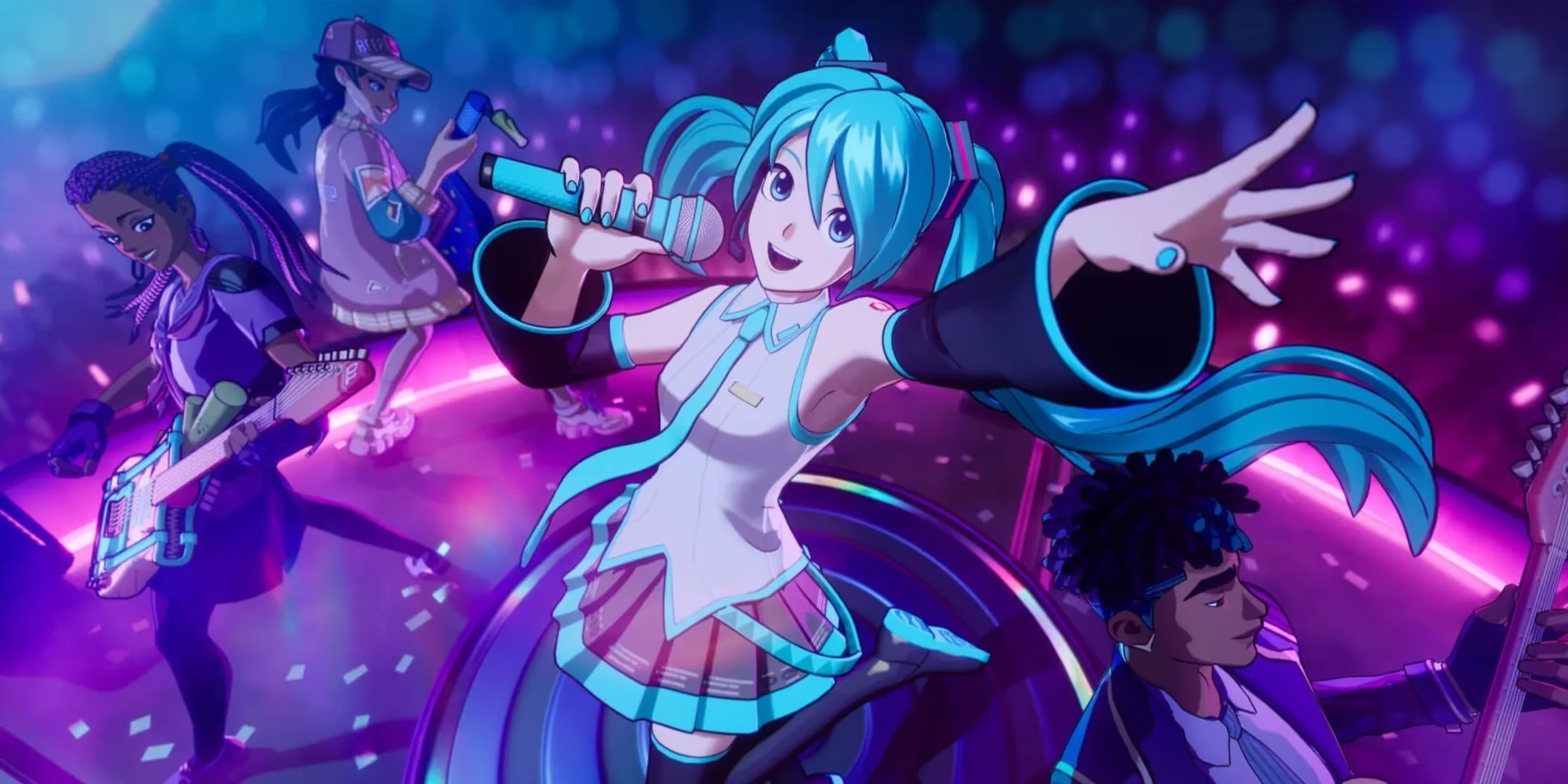
The early 2010s were a pivotal era. For many Western players, their first real immersion into Miku's world came not through widespread releases, but through determined effort. The experience of finally obtaining an imported copy of Hatsune Miku: Project Diva F for the PS Vita was transformative. The game offered a unique rhythm experience: 😍
-
Addictive Gameplay: A fresh challenge distinct from titles like Guitar Hero.
-
Visual Feast: Luscious visuals and adorable character modules.
-
Deep Customization: Dozens of songs and unlockable costumes that encouraged replayability.
This period predated the reliable global launches for many Japanese franchises. Fans grew accustomed to waiting, making the discovery of Miku's digital concerts and challenging charts feel personal and hard-won, a stark contrast to the instant accessibility enjoyed by newer fans today.
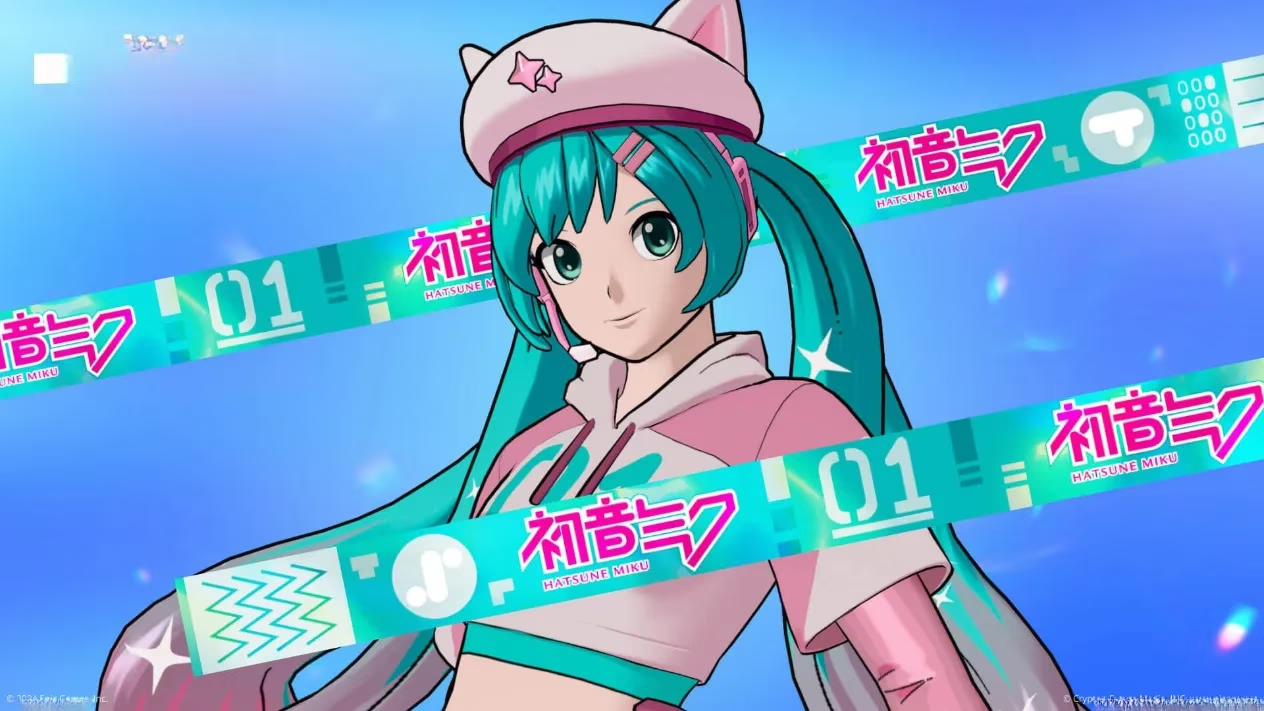
Her cultural footprint expanded far beyond music games. In recent years, Hatsune Miku transcended her original purpose as a vocaloid software. She evolved into a versatile meme icon and a staple of internet culture. Her image and very concept became fodder for humor and creativity on platforms like TikTok and Twitter, often divorced from her musical roots. This dilution paradoxically amplified her fame, cementing her status as a bizarre and beloved digital entity. This journey makes her 2026 debut as a Fortnite Festival headliner not just a crossover, but a cultural coronation. She is being treated with the same prestige as real-world megastars, receiving a dedicated battle pass, cosmetics, and emotes. This placement in the world's most popular game signals her arrival at the absolute peak of mainstream digital entertainment.
Looking back, the path from imported PSP games to headlining Fortnite is remarkable. It reflects a broader shift in how niche Japanese media reaches global audiences. What was once accessed through import shops and fan translations now commands center stage. For long-time fans, it's a surreal and validating moment. For newcomers, Fortnite offers a frictionless gateway into Miku's world, where they can experience classic songs for the first time alongside veterans. This event is more than a gaming update; it's a milestone that celebrates how a virtual singer forged a unique connection across continents and consoles, ultimately earning a spotlight once unimaginable. Her legacy continues to evolve, now playing out on the grandest stage imaginable.
| Era | Platform/Event | Fan Experience |
|---|---|---|
| Late 2000s / Early 2010s | PSP / Arcade Cabinets | Niche, import-only, convention hidden gems |
| Mid 2010s | PS Vita / Project Diva F | Dedicated fan import, deep personal obsession |
| Late 2010s / Early 2020s | Global Game Releases (e.g., Megamix) | Increased accessibility, broader recognition |
| 2026 (Present) | Fortnite Festival Headliner | Mainstream celebration, global cultural milestone |