Fortnite’s Unified XP Revolution: From Forced Modes to Total Freedom
Fortnite's unified XP progression now lets you earn Music and LEGO Pass rewards simultaneously across all game modes, transforming how players grind.
In late 2024, a quiet revolution brewed within Fortnite’s sprawling multiverse. The island had always demanded that warriors dance to its rhythm—literally. If you wanted the shimmering skins of the Music Pass, you strapped on a guitar and jammed on the Festival Stage. Craving the brick‑built wonders of the LEGO Pass? You trudged into a separate realm and grinded studs until your fingers ached. But on a brisk November day, Epic Games dropped a message that rippled faster than a supply drop: from that moment forward, all passes would progress simultaneously from a single XP track, no matter where you chose to play. The gates were swinging open.
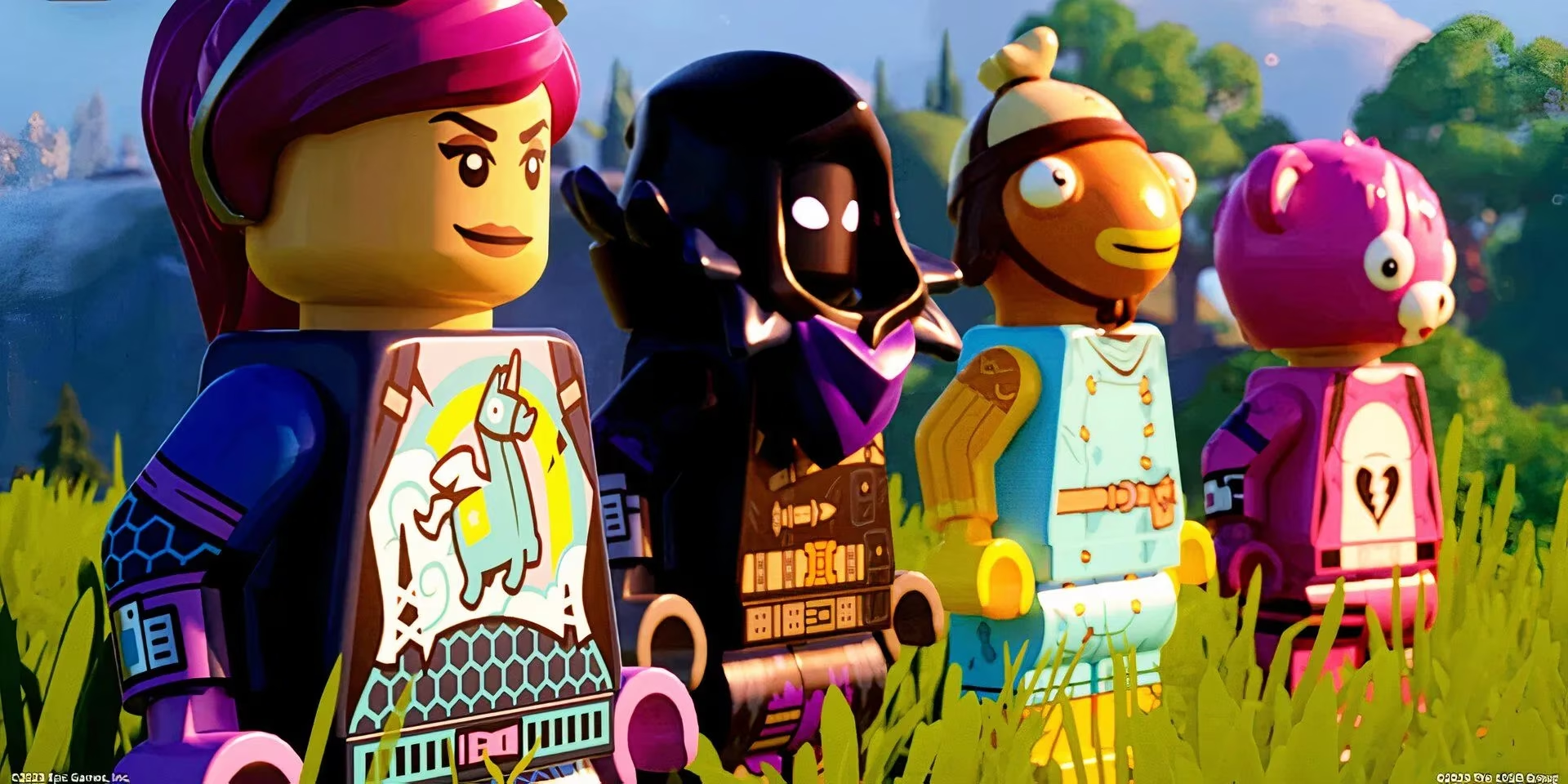
The first domino fell on November 2, 2024, when the Music Pass—freshly renamed from Festival Pass—tied itself to the universal progression. Then, on December 1, the LEGO Pass followed suit with the Brick or Treat season. By that winter, any experience in Fortnite fed the same hungry XP meter, and a player who spent an afternoon in Battle Royale could unlock rewards from the Music and LEGO tracks without ever touching a stage or a brick. For a 19‑year‑old named Leo, a self‑proclaimed Solo Zero Build grinder, the news felt like a birthday present. He had always admired the glowing neon instruments of the Music Pass but refused to “waste evenings in a mode I don’t enjoy.” The day the change went live, he subscribed to all three passes and watched his bracelets of rewards fill up while he did what he loved most: hunting Victory Crowns.
Leo’s story repeated across millions of accounts. Before the unification, many fans simply voted with their absence. The Music and LEGO premium tracks sold well below Epic’s hopes because the majority of the player base preferred the chaotic bloom of Battle Royale. Forcing them into niche modes only bred resentment. As one community post famously put it, “I’d rather be pickaxed by a gray pistol than play another song.” The new design turned that frustration into delight. Now, hopping between Creative maps, racing in Rocket Racing, surviving LEGO hordes, or emoting in Party Royale all dripped progress into the same bucket. 🎵🧱⚔️
Yet, like any seismic shift, the unified XP system came wrapped in unexpected wrinkles. The most poignant? Exclusive rewards no longer felt quite so exclusive. Under the old regime, a LEGO pass skin signaled dedication—you had earned it by enduring the brick‑and‑mortar grind. Now, the same skin might appear on someone who never set foot in a LEGO world. Some early adopters grumbled, their rare cosmetics suddenly commonplace. Epic acknowledged the tension but doubled down on accessibility. A few months prior, the studio had already announced that Battle Pass skins from past seasons could return to the Item Shop 18 months after their debut, a move that further blurred the lines of prestige.
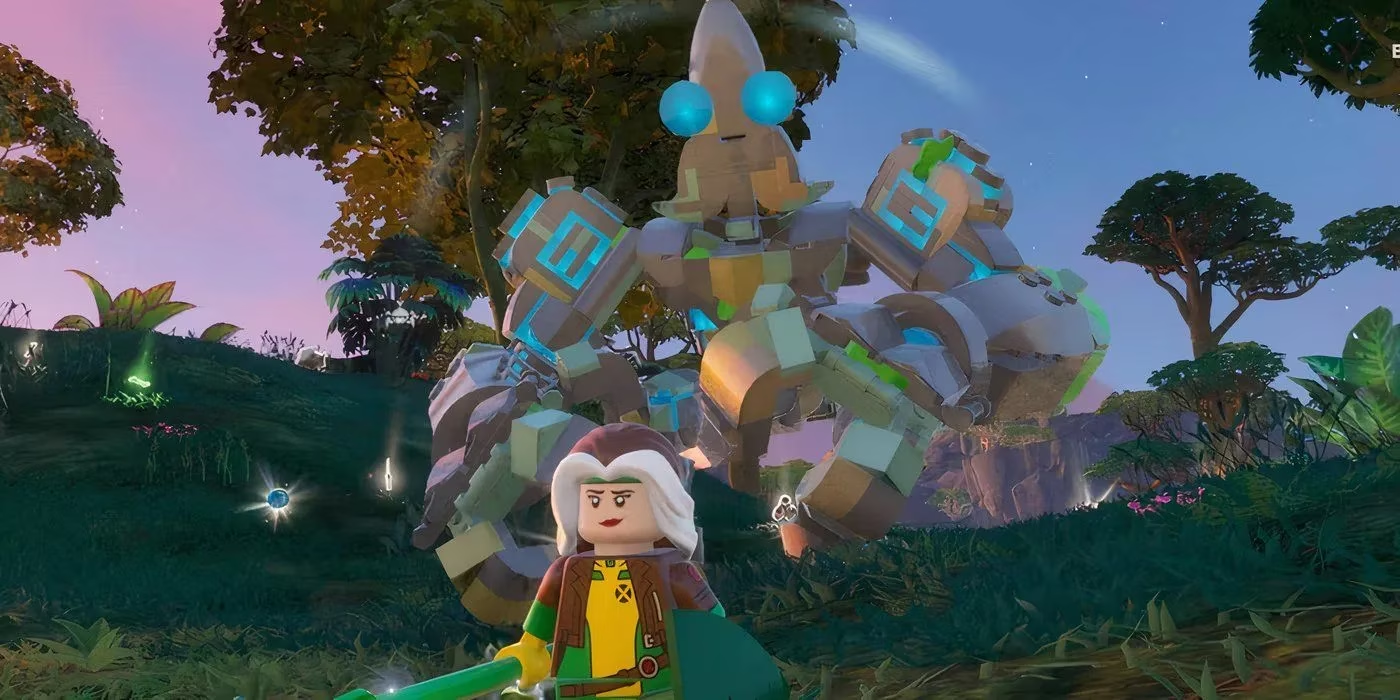
This pressure squeezed both ways. Epic now had to work harder to make each pass irresistible. The Music Pass needed headliner artists and reactive instruments that felt indispensable. The LEGO Pass needed elaborate build kits and villagers with personality. The Battle Pass—still the crown jewel—had to deliver cinematic secrets and cross‑over chaos. In 2025, the test came loudly. A season themed around ancient empires offered a LEGO Pass packed with modular castle pieces and a Battle Pass that promised a mythic, chain‑wielding demigod. Because XP flowed universally, players could afford to buy all passes without the fear of sunk time. Subscriptions soared, but so did expectations. 🎭
The following year, 2026, the unified XP philosophy had become as natural to Fortnite as gliders and storm circles. The concept even leaked into other live‑service games, with rivals scrambling to adopt similar “global progression” models. Inside Fortnite, the ecosystem thrived on flexibility. Weekend warriors could log in, play whatever mode their squad fancied, and still chip away at every reward track. Creators of UEFN experiences noticed a surge in visitors because even casual exploration now rewarded something meaningful. The stigma of “grinding” a specific mode melted away.
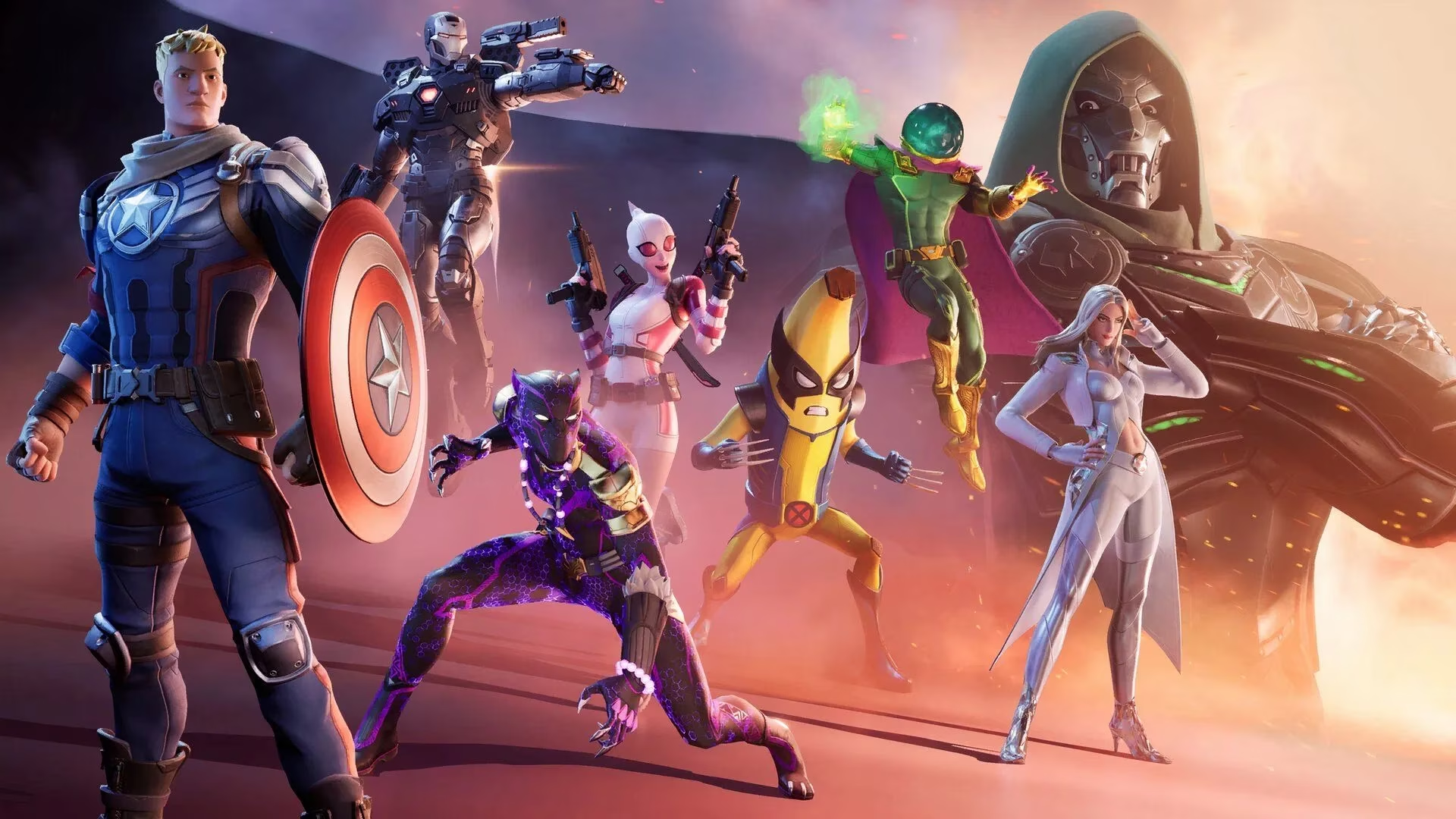
Of course, the system wasn’t flawless. Some players discovered loopholes: dedicated “XP parks” in Creative mode became overnight sensations, and Epic had to tweak caps to prevent overnight AFK maxing. But the core promise held. Leo, now a veteran with a locker stuffed of cross‑pass cosmetics, often marveled at how he’d never once played Festival mode yet owned every Music Pass item from the last two years. “It’s the best thing they ever did,” he said during a late‑night duos match. “I pay for fun, not chores.” 😄
Looking back from 2026, the great pass unification of 2024 wasn’t just a quality‑of‑life upgrade—it was a statement. Epic recognized that loyalty shouldn’t be chained to a single island experience. By weaving all passes into one XP river, they let players define what Fortnite meant to them. Whether you were a battle‑hungry sweat, a creative builder, a music festival fanatic, or a brick‑collecting adventurer, the game rewarded you equally. The exclusive rewards may have lost their mystique, but in return, the community gained something far more valuable: the liberty to play.
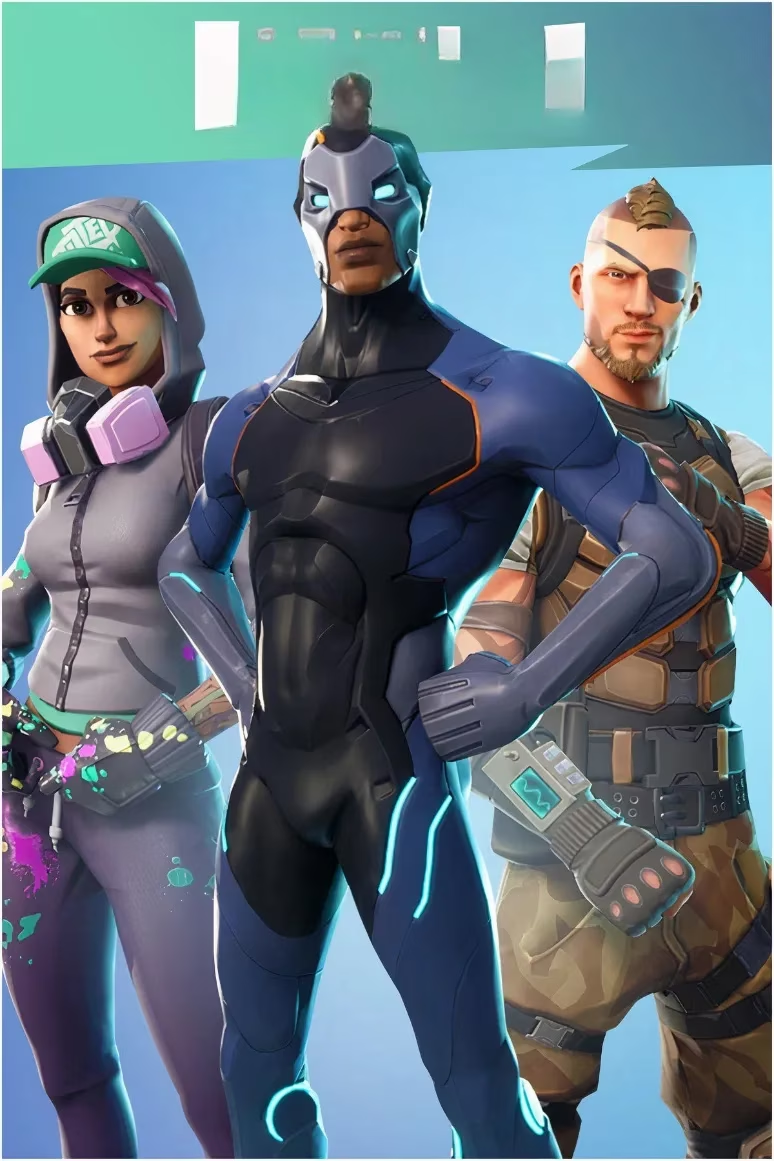
The numbers told a clear story. By mid‑2026, concurrent purchase rates for multiple passes had jumped nearly 40% compared to the fractured 2023 model. Player retention in off‑peak seasons stayed healthier because users no longer abandoned modes they found tedious. Even original skeptics admitted the shift made Fortnite feel more cohesive, as if the multiverse had finally learned to share its loot. Epic still experiments—rumors float of a unified “Omni‑Pass” coming in 2027—but the foundation laid in December 2024 remains rock solid. For a game that constantly reinvents itself, this change proved that sometimes the simplest tune plays best: let everyone progress, everywhere, together. 🎮✨