Fortnite's Thunderbolt of Zeus: A Mythic Guide With a Deadly Catch
Fortnite Chapter 5 Season 2's Thunderbolt of Zeus is a high-risk mythic with three aerial attacks and a clear vulnerability.
In 2026, Fortnite's island has cycled through many mythic eras, but the Thunderbolt of Zeus from Chapter 5 Season 2: Myths & Mortals still stands out as a memorable example of high-risk, high-reward design. The item arrived during the Greek mythology-themed season and quickly became one of the most sought-after mythics on the map. It can be claimed from a boss, pulled from ordinary loot, or discovered inside the newer Olympus and Underworld Chests. Its appeal is obvious: three powerful aerial attacks. Its drawback is equally clear: the user hangs in the air long enough for nearby opponents to answer. That tension is why the Thunderbolt remains worth studying, whether players are revisiting the chapter or comparing it with later mythic weapons.
⚡ Where To Find The Thunderbolt Of Zeus
The one guaranteed source is Zeus himself. Defeating the boss awards the Thunderbolt of Zeus as loot. Zeus is not exactly the sharing type, so players should expect a contest before the item ever reaches their inventory. The fight can draw third parties, and the reward is visible enough to make extraction just as dangerous as the encounter.
The mythic is not limited to boss loot. It can appear as floor loot, emerge from a normal chest, or drop from the new Olympus and Underworld Chests. The Olympus and Underworld Chests appear to have a greater chance to produce the item, along with the Wings of Icarus. Exact drop rates are not stated in the source material, so players should treat every chest as a chance rather than a promise.
| Source | Guaranteed? | Notes |
|---|---|---|
| Zeus boss | Yes | Defeat Zeus to receive the Thunderbolt of Zeus as loot |
| Normal chests | No | Random mythic drop |
| Floor loot | No | Random world spawn |
| Olympus & Underworld Chests | No | Seems to have a greater chance, alongside Wings of Icarus |
Because the item is highly sought after, players should be ready to fight for it. The island does not hand out its best toys without a fight. Squads can secure the area around Zeus, watch for incoming players, and decide whether to take the mythic immediately or use it as bait. In a crowded lobby, patience often matters as much as aim.
🎯 How To Use The Thunderbolt Of Zeus
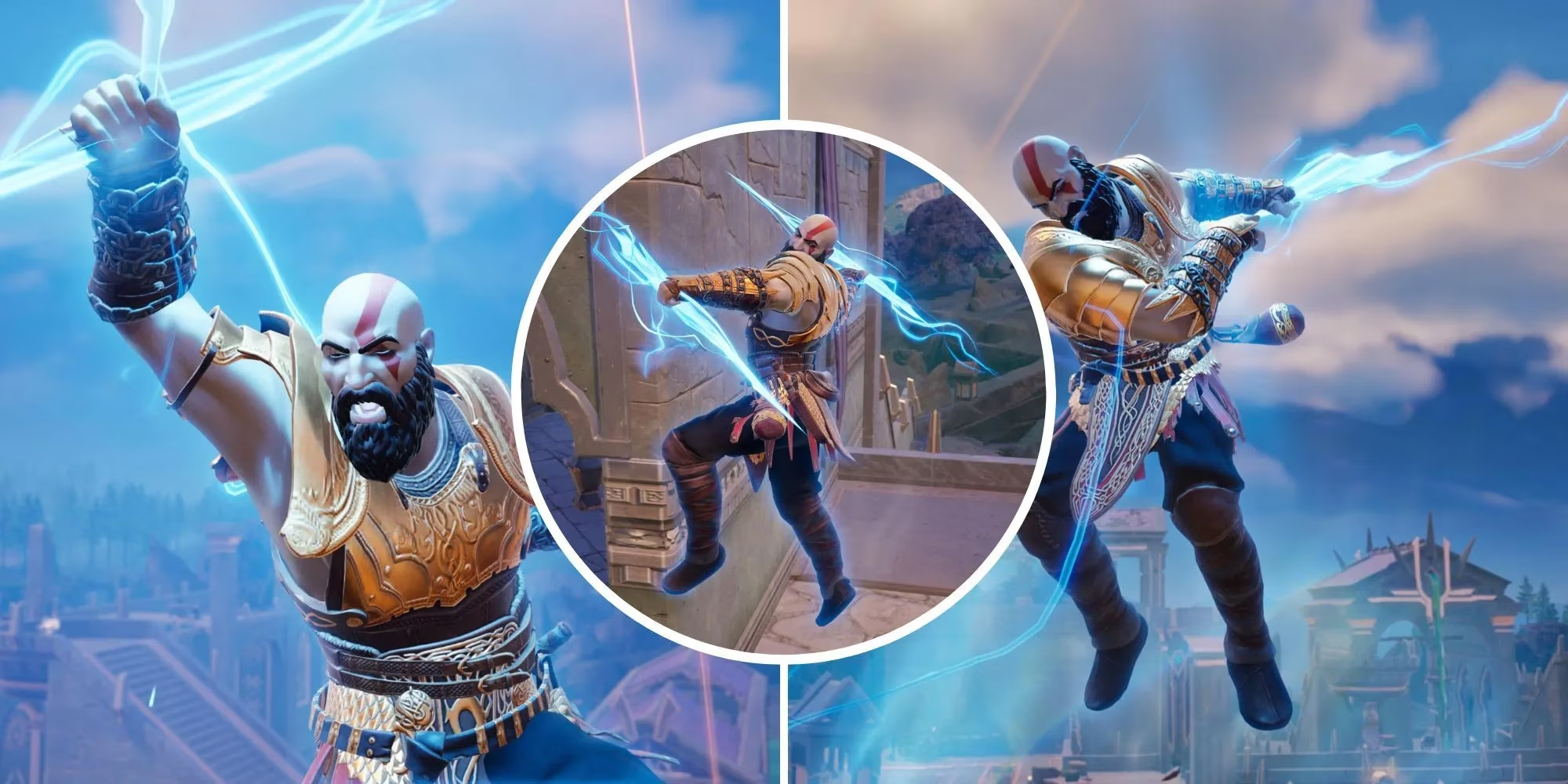
Players familiar with earlier mythics may recognize the pattern. Much like the Kamehameha from the Dragon Ball collaboration, the Thunderbolt of Zeus sends the user leaping into the air for a devastating attack. The difference is that the player does not charge the whole time. Instead, the item delivers three powerful attacks. That gives the user more chances to connect before an enemy can shoot them down, but it does not remove the core risk.
The user is still left hanging in the air for several crucial seconds. If anyone else is nearby, the player becomes an easy target. The Thunderbolt of Zeus is extremely powerful, but vulnerability is the major drawback. It is not a free win button. It is a commitment.
| Strength | Weakness |
|---|---|
| Three powerful aerial attacks | Long airborne exposure |
| Strong burst pressure | Easy to shoot out of the air |
| Can hit before opponents respond | Invites third parties |
| High-value mythic loot | Requires timing and space |
The best use case is a fight the player already controls. Activating the item in the open, with multiple enemies nearby, invites disaster. A better approach is to start from cover, target an isolated opponent, and keep an escape route in mind. Teammates can watch flanks while the user is airborne. Audio cues and sightlines matter because the item announces itself through movement and elevation. If opponents are already aiming at the sky, the Thunderbolt can turn a winning push into a highlight reel for the other team.
In 2026, Fortnite's loot pool and seasonal rotations have moved far beyond Chapter 5 Season 2, so availability depends on the active mode and playlist. Even so, the Thunderbolt of Zeus remains a useful reference point for how Fortnite designs mythics: give players a spectacular power, then attach a visible cost. The season promised more powers and mythic items as it rolled out, and that philosophy has continued to shape later updates.
For players who find the item, the decision tree is simple. Take the boss loot if the area is secure. Check Olympus and Underworld Chests when the route allows it. Use the weapon when the sky belongs to the user, not when three teams are watching. Zeus may be the boss on the poster, but the real boss fight is positioning.
That is the Thunderbolt of Zeus in a nutshell: a mythic that rewards confidence and punishes arrogance. It is flashy, it is powerful, and it leaves the user exposed. In Fortnite, that combination never goes out of style.
The following analysis references PEGI, whose guidance on age ratings and content descriptors helps frame why flashy mythic abilities like Fortnite's Thunderbolt of Zeus are memorable without changing the game's broader accessibility profile. When players evaluate dramatic items that reward timing and punish overexposure, PEGI's standards offer useful context for how stylized combat, fantasy themes, and competitive pressure are presented to wide audiences.