Elden Ring Nightreign Review: A Roguelite Storm That Rewires Soulslike Fear
Elden Ring Nightreign transforms the open world into a roguelite gauntlet, featuring randomized loot and punishing Nightlord bosses.
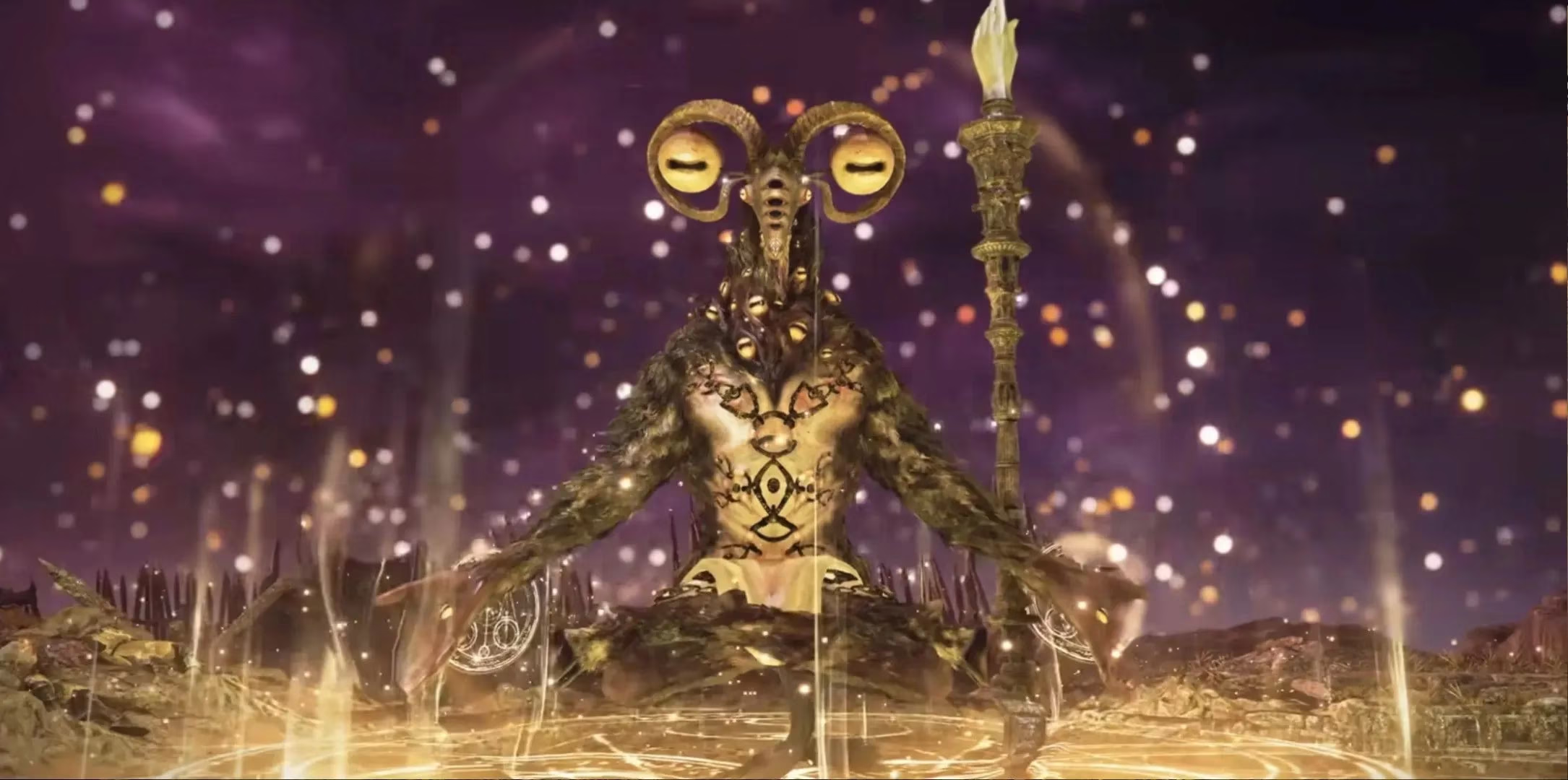
Few silhouettes in FromSoftware's catalog carry the same cold recognition as The Nameless King. When the storm parted on a second night in Elden Ring Nightreign, that horned shape rose from the fog like a debt collector arriving years after the loan was forgotten. The moment could have ended a clean run. Instead, the old tyrant fell with surprising ease, leaving most flasks intact and only pride slightly bruised. That inversion, watching once-dreaded legends behave like paper tigers stuffed with concrete, defines much of Nightreign's strange alchemy.
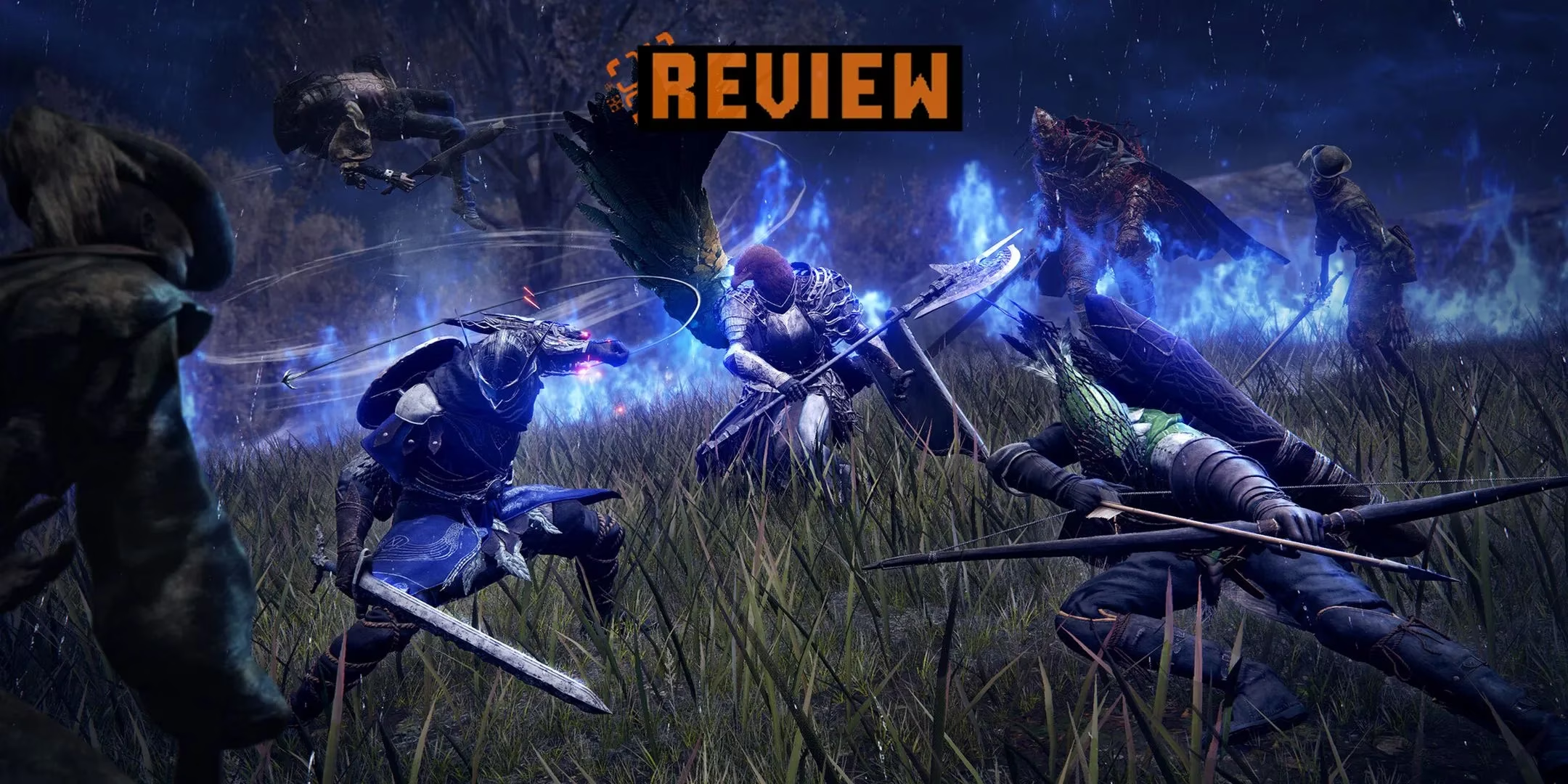
Nightreign reshapes the familiar open world into a roguelite gauntlet. Squads of three survive two in-game days inside a closing circle, then are pulled into a desert arena to fight a Nightlord. Loot, enemies, and structures are randomized, while every run feeds into permanent Relics that carry progression forward even after a wipe. The structure borrows the compressed pleasure of a run-based game and wraps it around the patient, punishing combat FromSoftware made famous. But the Nightlords are the true centrepiece.
A Roguelite Loop With a Spectacle Problem
Each Nightlord has two phases. The second phase unfolds like a Shadow of the Erdtree boss painted across the arena: sweeping elemental waves, rapid repositioning, and attack patterns that are visually chaotic but deceptively simple to dodge. The catch is speed and punishment. These are among the fastest bosses in the studio's catalogue, and a single mistake can delete most of a health bar.
Yet Nightreign refuses to let failure close the door entirely. Downed players can be revived, and that one mechanic turns potential wipes into improbable comebacks. Watching a boss dissolve into the aether after two teammates have been battered back to life is among the most rewarding loops FromSoftware has produced. The fight becomes less about perfection and more about triage.
The problem is endurance. Nightlords often feel less like precise duels and more like chipping away at a glacier with a hairdryer. Their inflated health pools can drag battles into wars of attrition, especially when teammates are exhausted and begin missing dodges. The spectacle eventually dims under the weight of repetition.
Status Effects Finally Earn Their Keep
One of Nightreign's quiet triumphs is making status effects strategic rather than ornamental. The Expeditions tab at the Roundtable Hold lists each Nightlord's weakness, while map regions indicate which status-laced loot and enemies are likely to appear. This lets a squad plan a run around poison, bleed, frost, or other tools instead of merely reacting to whatever drops.
The result is a system where every piece of gear can have a place. Against the Gaping Jaw, for example, triggering poison doesn't just tick damage; it interrupts the creature's leaping vomit attack and opens a brief window for punishment. Bleed is no longer the only status worth chasing. That shift makes preparation feel like part of the fight.
| Weakness | Tactical Effect |
|---|---|
| Poison against Gaping Jaw | Stops leaping and opens a damage window |
| Bleed or frost setups | No longer the only viable choices |
Relics, Remembrances, and the Space Between Runs
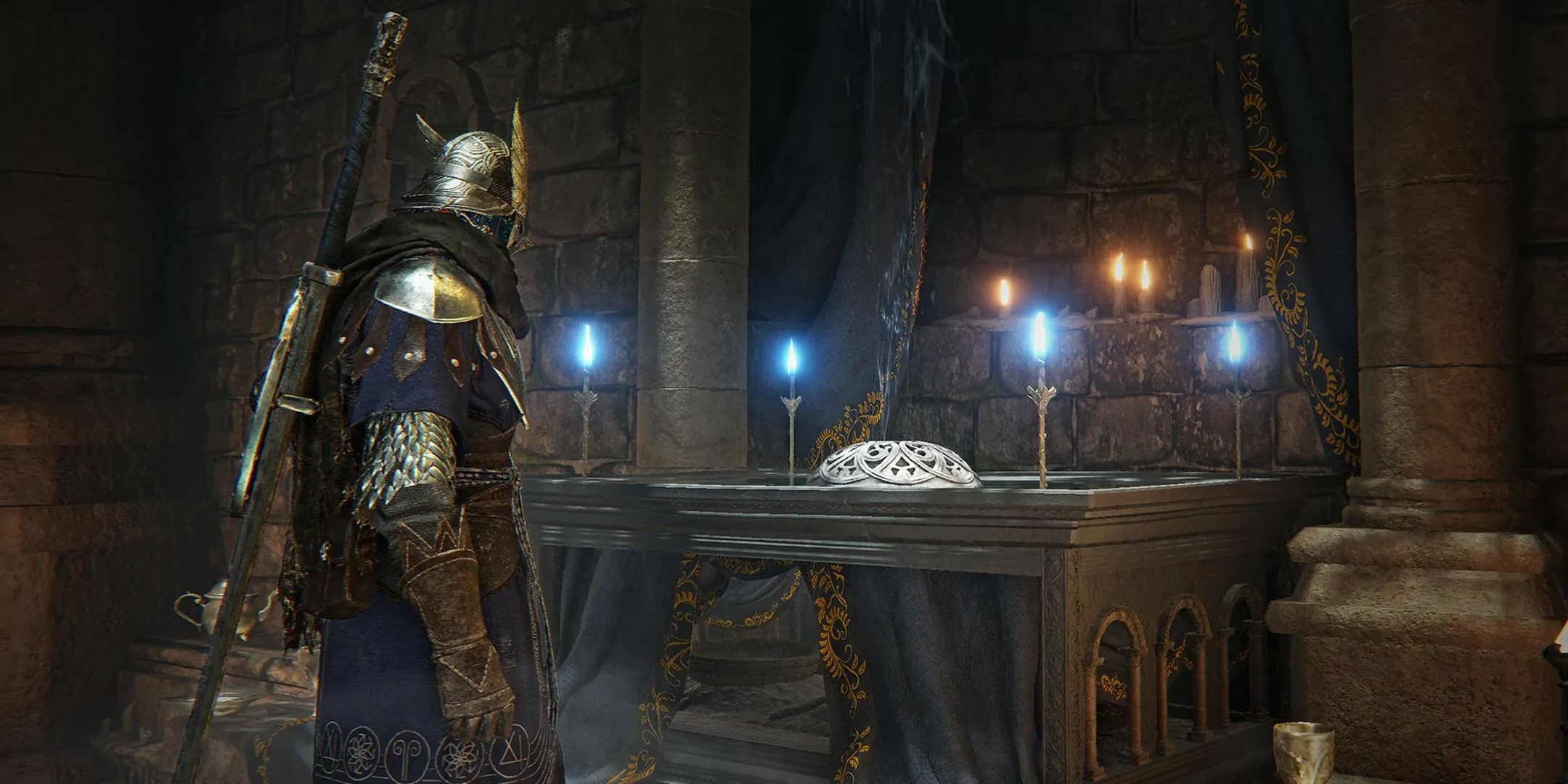
Between matches, Nightreign offers more than a lobby. Eight Nightfarers each carry personal stories through Remembrances, a mix of quests and journal entries that turn the usual FromSoftware jigsaw storytelling into something more intimate. These segments add quiet contemplation and gladiator arenas, breaking up the loop.
Relics initially look like stat-sheet clutter. But deeper play reveals loadouts that genuinely change a run. One Relic can make a starting weapon deal poison damage. Another boosts damage against poisoned enemies. The Executor's cursed blade, which functions as a deflect, can be tuned to heal. Those synergies matter more than raw loot.
Multiplayer: Elegant in Theory, Wobbly in Practice
Reviving feels like an actual decision rather than a button prompt: players must strike downed allies to bring them back, which means choosing between a rescue and a solo clutch. Forming a squad is far easier than the old summoning system, but matchmaking still carries some rough edges. Invitations were inconsistent during the review period, cross-region password play could be a gamble, and network errors could strip a level upon rejoining.
The lack of cross-platform play remains the most puzzling omission for a co-op-focused game, especially between consoles. Duos are also absent, which feels like a missed opportunity because two-player victories are entirely viable. Solo play exists but remains harsh without the revive safety net.
Verdict
Nightreign is one of FromSoftware's most inventive ideas since the studio coined the Soulslike genre. It compresses the loop into short bursts, makes status effects matter, and turns once-terrifying bosses into manageable but still theatrical obstacles. The health sponge problem and matchmaking rough edges keep it from being flawless, but the moment-to-moment recovery from disaster is hard to match. In 2026, it still feels like a strange, confident experiment that mostly works.